9 Best Things to Make and Sell From Home in 2025
Disclosure: This post may contain affiliate links, which means if you sign up or purchase through some of our links, we may receive compensation for the referral. This comes at no additional cost to you. Learn more here.
You don’t need a warehouse, fancy equipment, or a huge investment to start a business. In fact, some of the most successful handmade brands began at a kitchen table—with just a spark of creativity and a desire to build something meaningful.
Whether you’re dreaming of a full-time business or just looking to earn some extra income on the side, making and selling your own products is a powerful way to turn your skills into profit. And the best part? There are endless options for what you can create—many of which are beginner-friendly and low-cost to start.
In this guide, you’ll find a variety of product ideas you can start making today, from cozy crafts and custom decor to digital goods you can sell over and over again. Whether you’re a weekend crafter, a creative parent, or an aspiring entrepreneur, there’s something here for every kind of maker.
Let’s dive in and explore practical, inspiring ideas that can help you start your own creative business—one handmade item at a time.
Key takeaways:
- You don’t need a big budget to start: Starting a handmade business doesn’t require fancy tools or a large investment. Many successful brands began with basic supplies and a kitchen table—what matters most is creativity and commitment.
- Start with one product you love to make: Rather than trying everything at once, focus on a product that fits your skills, interests, and available time. Passion and practicality go hand-in-hand when building a business you’ll stick with.
- Popular handmade categories have room for everyone: From candles and jewelry to tote bags and digital planners, there are countless low-cost, beginner-friendly products that sell well online and at local markets. Choose a niche that excites you and serves a real need.
- Digital products offer scalable, passive income: Selling digital goods like printable planners or SVG files lets you earn repeatedly from one creation. They’re easy to start with free tools and perfect for makers who want flexibility and low overhead.
- Small steps lead to big growth: You don’t need a full business plan to begin. Test ideas, refine as you go, and let feedback shape your offerings. Starting small allows you to learn, grow, and build a brand that reflects your unique style.
9 Products to Make and Sell From Home
Handmade Ideas That Sell Well
Handmade products have a special kind of charm—they’re personal, unique, and often tell a story. If you’re looking for products that are both fun to make and in high demand, these ideas are a great place to start. From cozy creations to customizable gifts, these crafts are perfect for beginners and experienced makers alike.
1. Candles
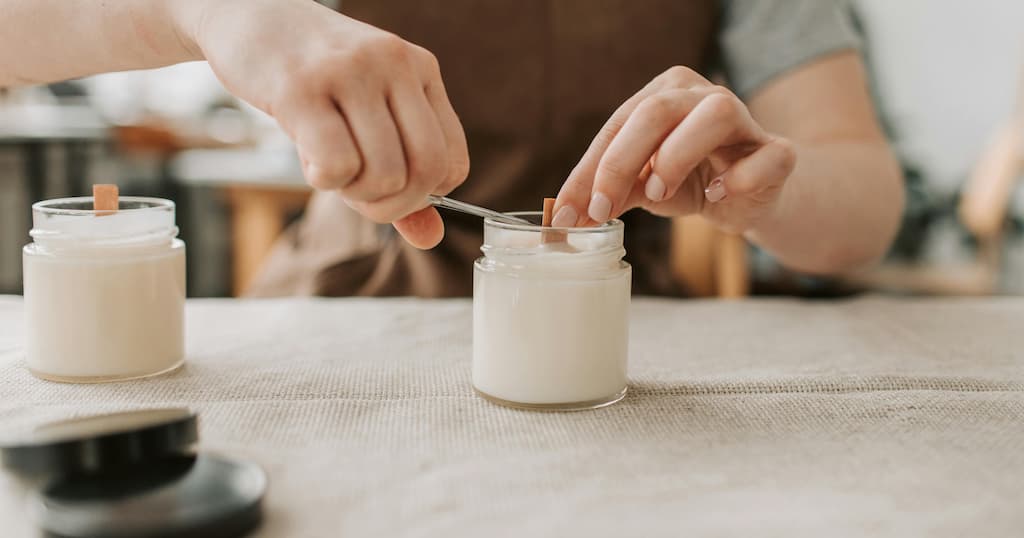
Candles are a classic handmade item that continues to thrive in online and local markets. They’re simple to make, easy to customize, and appeal to a wide range of customers—whether you’re selling self-care kits, home decor, or personalized gifts.
You can start small with basic supplies and expand into more advanced designs as you grow. From calming lavender scents to bold seasonal blends, your candle line can reflect your personality and brand.
Tips to get started:
- Choose the right wax: Soy wax and beeswax are popular for their clean burn and eco-friendly appeal.
- Create a signature look: Use unique containers—think vintage teacups, amber jars, or minimal glass tumblers—and stick to a consistent color palette or label style.
- Offer variety: Include seasonal scents, themed collections (e.g., “spa day,” “cozy cabin”), or customizable options for events and gifts.
- Focus on safety and quality: Use high-quality fragrance oils, test burn your candles, and follow safety guidelines for wick size and scent load.
Selling handmade candles is also scalable—you can start with small batches and gradually introduce new sizes, gift sets, or subscription boxes. With a little experimentation and a strong aesthetic, your candles can become a signature product in your shop.
2. Jewelry
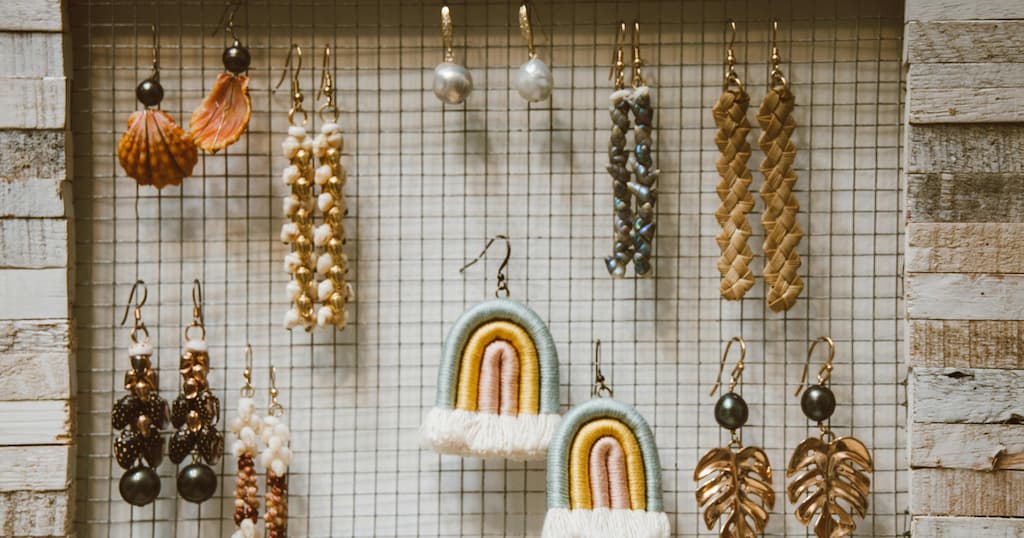
Jewelry is one of the most versatile and rewarding handmade products to create—and it never goes out of style. From minimalist earrings to bold statement pieces, there’s a market for just about every aesthetic and price point. Plus, it’s a great niche for makers who want to start small and grow over time.
Whether you’re stringing beads, working with polymer clay, or exploring wire wrapping or resin, the possibilities are endless. Jewelry also lends itself well to personalization, which adds value and appeal for shoppers looking for meaningful gifts or custom pieces.
Tips to get started:
- Start simple: Choose one style to master first—like beaded bracelets or clay studs—before expanding into more complex techniques or materials.
- Invest in quality tools: Basic pliers, jump rings, and clasps go a long way. Look for starter kits or visit local craft stores to build your toolkit affordably.
- Offer personalization: Initials, birthstones, or custom charms help your pieces stand out and make them gift-worthy.
- Show your process: Use social media (especially Instagram Reels or TikTok) to share how your pieces are made. Behind-the-scenes content builds trust and shows off your craftsmanship.
Jewelry is also lightweight and easy to ship, which keeps overhead low and makes online selling more manageable. Whether you sell on Etsy, through local pop-ups, or your own website, handmade jewelry is a great entry point into the world of creative commerce.
Read more: How to Make Money Fast as a Woman
3. Bath and Body Products
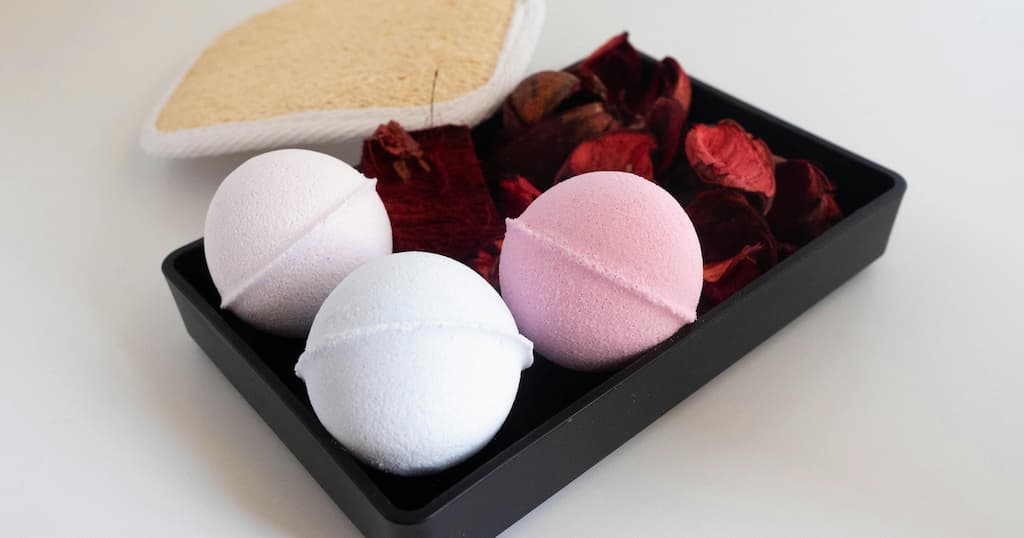
If you love blending scents, colors, and textures, bath and body products might be your perfect niche. Items like handmade soaps, bath bombs, body scrubs, and lip balms are always in demand—especially when they look beautiful and smell amazing. These products offer a spa-like experience at home, which makes them ideal for gifting, self-care, or seasonal promotions.
You don’t need a full lab setup to get started, either. Many formulas can be made with kitchen tools and simple ingredients, and there are plenty of starter kits available for beginners. As your skills grow, you can branch out into custom recipes, natural ingredients, or specialty skin-care items.
Tips to get started:
- Keep it clean: Use high-quality, skin-safe ingredients like shea butter, coconut oil, and essential oils. Customers love products that feel good and do good.
- Prioritize packaging: First impressions matter—use recyclable or reusable containers, and design labels that reflect your brand vibe (minimalist, botanical, colorful, etc.).
- Bundle for impact: Offer gift sets or themed collections (e.g., “relaxation kit,” “holiday scents”) to increase order value.
- Know the rules: Bath and body products are regulated in many regions. Look up your local labeling laws and safety guidelines to ensure compliance.
Whether you’re targeting the self-care crowd, eco-conscious buyers, or the gift market, handmade bath products are a smart way to blend creativity with practicality. Plus, they’re a joy to make—and even more fun to sell.
Art and Home Decor Items to Sell
People love to personalize their spaces—and that creates a great opportunity for makers like you. Whether it’s cozy wall art, custom signage, or on-trend décor, handmade home items can turn a room into a reflection of someone’s personality. If you enjoy designing, painting, or working with visuals, this category is full of creative potential.
Some ideas are easy to ship and don’t require a lot of materials to get started, making them great options for new sellers or those working from a small space.
4. Digital Prints or Wall Art
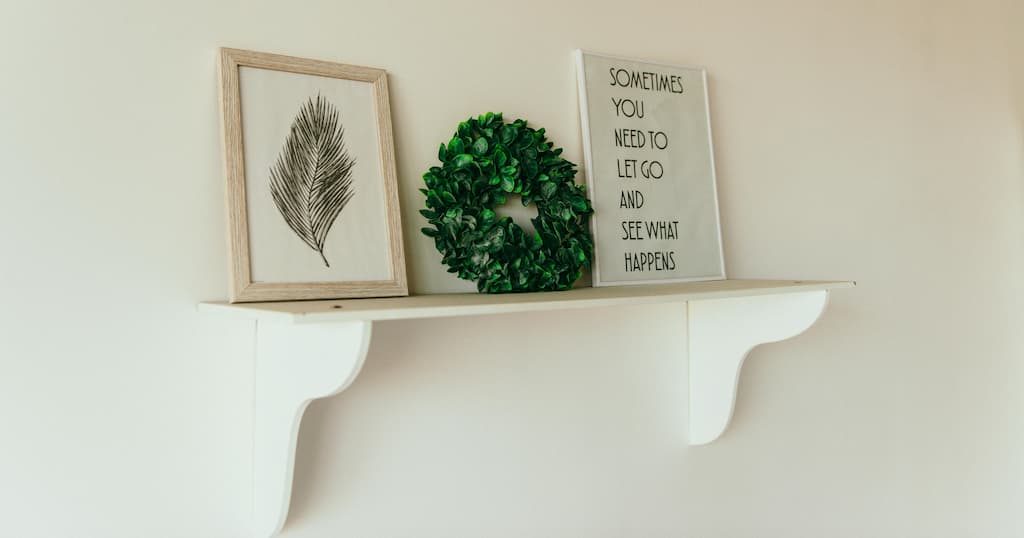
Digital prints are a low-overhead, high-impact way to sell your art. You create the design once and sell it over and over again—no inventory, no packaging, and no shipping headaches. Plus, wall art is always in demand for nurseries, home offices, dorm rooms, and just about any living space.
All you need is a computer, basic design software, and a good eye for layout and color. Canva, Procreate, or Adobe Illustrator are great tools to help you get started, even if you’re a beginner.
Tips to get started:
- Choose a niche: Focus on a specific style or theme—like minimalist quotes, boho patterns, nursery prints, or motivational typography.
- Design in multiple sizes: Offer standard frame dimensions (like 8×10″, 11×14″, A4) so customers can print easily at home or with a service.
- Use the right platforms: Etsy is a top marketplace for printables, but you can also try Gumroad, Shopify, or your own site.
- Optimize for search: Use SEO-friendly product titles and tags (e.g., “printable kitchen wall art” or “modern nursery quote print”) to help your designs get found.
With digital prints, you can start your own art business without needing to touch a printer or mail a single package. It’s a modern, scalable way to turn your creativity into a source of income—and your customers will love adding a personal touch to their spaces.
Read more: How to Get Paid to Write Letters
5. Wood Signs or Custom Decor

If you love working with your hands and adding rustic charm or personal flair to everyday spaces, wooden signs and custom home decor are excellent products to make and sell. These pieces are especially popular for housewarmings, weddings, nursery decor, and seasonal displays.
From cozy farmhouse quotes to bold, modern name signs, there’s a wide range of styles you can create—even with minimal tools. Wood decor adds warmth and character to any room, and customers love items that feel handmade and heartfelt.
Tips to get started:
- Use stencils or vinyl cutters: Tools like a Cricut or Silhouette make it easy to add clean, professional-looking text and designs to wood surfaces.
- Offer personalization: Names, dates, or custom phrases add emotional value—and can command higher prices.
- Keep shipping in mind: Choose lightweight wood (like pine or plywood) and package items securely to avoid damage in transit.
- Focus on finishing touches: Sand edges, seal your paint or stain, and consider branding your back or packaging for a polished, professional feel.
These pieces also sell well at local craft fairs, farmers markets, or pop-up events—especially when displayed in an inviting, homey setup. Whether you lean rustic, boho, or modern, wooden signs are a timeless way to bring creativity into people’s homes—and into your business.
Useful and Functional DIY Products
Sometimes, the most sellable handmade items are the ones people use every day. Products that blend form and function—like reusable bags, kitchen goods, or storage solutions—are always in demand. When you create something that’s both beautiful and practical, you add real value to your customers’ lives.
This category is especially ideal if you love sewing, crafting, or designing around real-world needs. Plus, these products often make thoughtful, sustainable alternatives to mass-produced goods, which can be a major selling point.
6. Tote Bags or Pouches
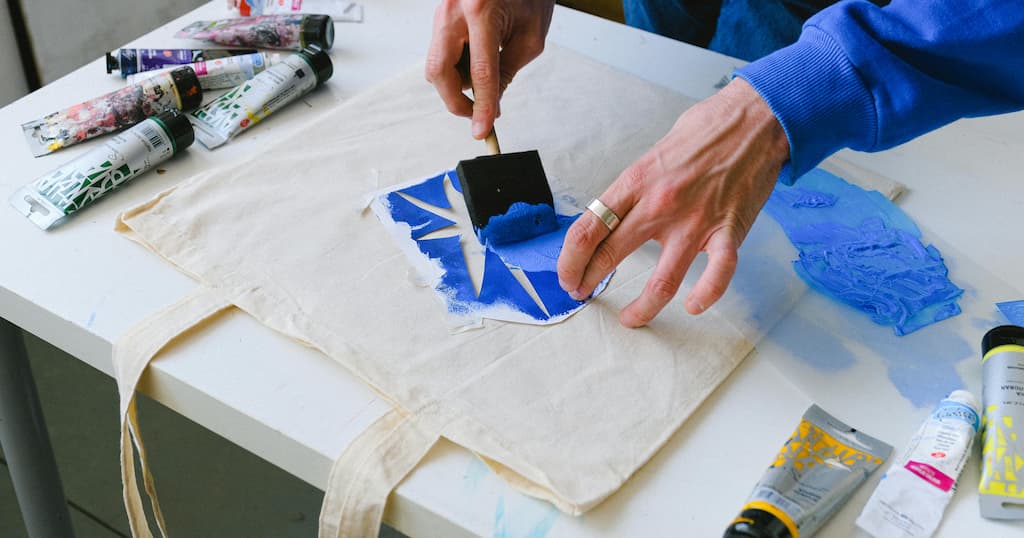
Reusable tote bags, zip pouches, and fabric organizers are stylish, sustainable, and surprisingly easy to make. They’re perfect for shoppers, students, travelers, or anyone who loves staying organized. With so many ways to personalize and customize, these fabric-based items give you plenty of creative freedom while remaining functional.
Whether you’re hand-sewing, using a machine, or decorating blank canvas totes with vinyl or paint, this is a great niche for makers of all levels.
Tips to get started:
- Use eco-friendly materials: Organic cotton, recycled canvas, or linen appeal to eco-conscious shoppers and support a sustainable brand message.
- Add personality: Incorporate fun prints, bold colors, or witty slogans. Heat-transfer vinyl (HTV) and embroidery are great ways to add flair.
- Offer multipurpose designs: Think makeup pouches, pencil cases, reusable gift bags, or market totes. The more versatile, the better.
- Brand it: Include a simple fabric tag with your shop name or logo for a professional touch that builds brand recognition.
Functional items like totes and pouches are also ideal for bundling with other products (e.g., bath kits, stationery sets) or offering as upsells in your shop. They’re lightweight, easy to ship, and appeal to a wide customer base—making them a smart addition to any handmade business.
7. Kitchen Goods
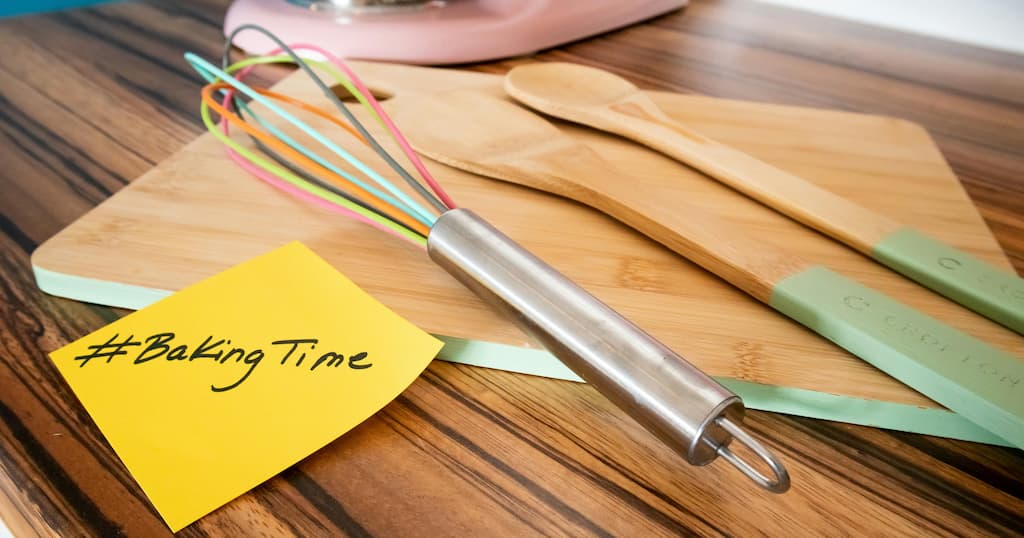
The kitchen is the heart of the home—and that makes it a great place to focus your creative energy. Handmade kitchen goods are not only practical, but they also offer a cozy, personal touch that mass-produced items just can’t replicate. Whether you sew, carve, or craft, there are countless ways to create useful items that customers will love to gift or use in their own homes.
Popular options include fabric bowl cozies, wooden cutting boards, reusable beeswax wraps, potholders, and custom utensils. These products strike the perfect balance between beauty and utility—ideal for everyday use or thoughtful gifting.
Tips to get started:
- Focus on function first: Make sure your items are durable, washable, and easy to use. Test your designs in your own kitchen!
- Use food-safe materials: If you’re working with wood or finishes, be sure to use food-safe oils and sealants for items that touch food directly.
- Bundle creatively: Group kitchen goods into themed gift sets (like “baking day” or “eco kitchen starter”) to increase your product’s value.
- Add a handmade touch: Wood-burning, fabric prints, or hand-stamped tags can elevate a simple product into something gift-worthy and memorable.
These kinds of items are especially popular around holidays, housewarming season, and wedding months. Plus, they’re perfect for in-person markets where people want to touch and feel the quality of your work. If your goal is to create items that people actually use—and love—kitchen goods are a smart and satisfying category to explore.
Digital Products You Can Make Once and Sell Forever
If you’re looking for a low-cost, high-margin way to start a creative business, digital products are a game-changer. You make them once, list them online, and they can sell over and over again—no inventory, no shipping, no packing materials.
Digital products are ideal if you love design, organization, or content creation. And they’re especially beginner-friendly: you can use free or low-cost tools to design everything from planners to graphics, then sell them on platforms like Etsy, Gumroad, or your own website.
8. Printable Planners and Templates

Printable planners are a go-to digital product with consistent demand year-round. People love tools that help them stay organized, set goals, and simplify their daily routines—and printables offer exactly that in a customizable, affordable format.
You can create templates for almost anything: daily planners, budget sheets, wedding checklists, fitness trackers, homeschooling schedules, and more. And once designed, they’re ready to be downloaded and used by customers again and again.
Tips to get started:
- Pick a niche: Focus on a specific goal or lifestyle (e.g., meal planning for busy parents, budget tracking for students, or wedding planning checklists).
- Design with simplicity in mind: Use tools like Canva, Adobe Illustrator, or Affinity Designer to create clean, user-friendly layouts.
- Offer multiple formats: PDFs are standard, but consider editable Canva links or Goodnotes-compatible files for added flexibility.
- Make it look polished: Choose readable fonts, on-brand colors, and consistent formatting to make your product look professional and easy to use.
Printable planners are also a great entry point into passive income. You can grow your shop by offering seasonal updates, themed bundles, or even subscription access to a planner library. If you love helping others stay on track, this digital product is a perfect way to combine creativity with impact.
Read more: How to Make $1,000 Fast
9. SVG Files for Crafters
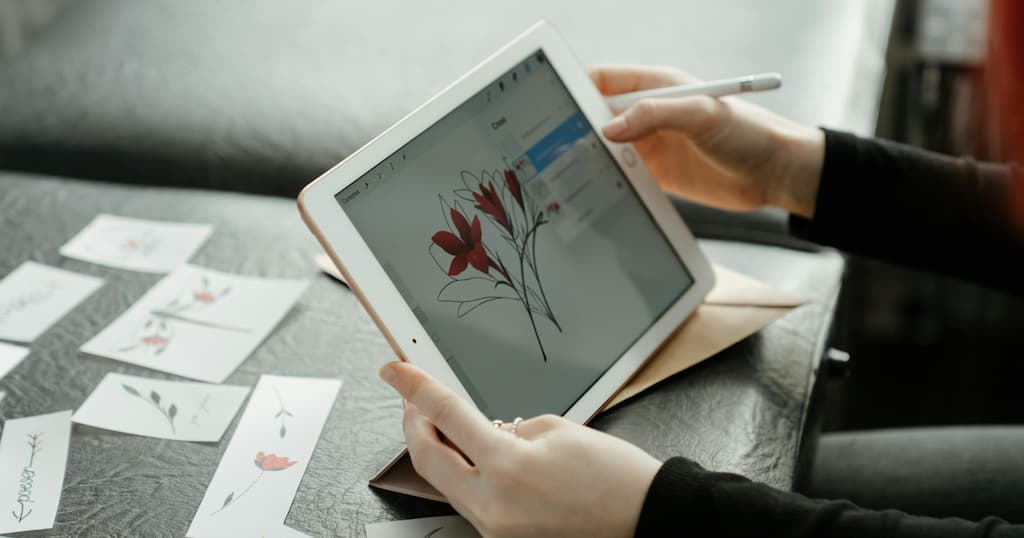
If you have a knack for design and want to support other makers, selling SVG files (Scalable Vector Graphics) is a smart, scalable way to grow a creative business. These digital designs are used with cutting machines like Cricut and Silhouette to create custom t-shirts, mugs, signs, cards, and more—so there’s always a demand for fresh, high-quality files.
The best part? You don’t need to produce physical products yourself. You simply create the designs, upload them to your shop, and let your customers turn them into tangible items.
Tips to get started:
- Design with the end-use in mind: Keep shapes clean and layers well-organized so they’re easy for crafters to cut, weed, and apply.
- Use the right tools: Software like Adobe Illustrator, Inkscape (free), or Affinity Designer makes it easy to create and export SVG files.
- Bundle by theme: Offer sets for holidays, hobbies, professions, or celebrations (e.g., “Teacher Life Bundle” or “Fall Farmhouse SVG Pack”) to increase value.
- Clarify usage rights: Consider offering personal-use or commercial-use licenses, and clearly explain what buyers can and can’t do with your designs.
SVG files are especially popular on Etsy, Creative Market, and Design Bundles. With a good eye for trends and a steady release schedule, this digital product can become a passive income stream that supports other small businesses while growing your own.
Read more: Explore secret websites to make money.
How to Choose the Right Product to Make
With so many great ideas to explore, it can be tempting to try everything at once. But the most successful handmade businesses usually start with just one or two focused products—and build from there. Choosing the right product is about more than just trends; it’s about finding a balance between your interests, skills, and what your ideal customers are actually looking for.
Here’s how to narrow it down and make a confident, informed choice:
Reflect on Your Skills and Interests
Start with what you enjoy making or want to learn more about. If you love the process, you’re more likely to stay motivated and produce high-quality work.
- What crafts or hobbies do you already enjoy?
- Are there techniques you’re excited to master?
- Do you prefer digital design, sewing, woodworking, or another type of making?
Consider Time and Tools
Be realistic about what you can create with your current space, tools, and schedule. Some products require more upfront investment than others.
- Do you have access to basic tools or materials?
- Can you start small with minimal setup?
- Is your product quick to make or labor-intensive?
Think About Your Ideal Customer
Try to picture who you’re creating for. Understanding your target audience helps you design with purpose and market more effectively.
- Are you appealing to gift shoppers, parents, students, or small business owners?
- What styles or solutions are they looking for?
- Where do they shop—Etsy, Instagram, local markets?
Test Before You Invest
Don’t be afraid to experiment. Create a small batch or digital mockup and see how people respond—friends, family, or even social media followers can offer helpful feedback.
- Start with a small product line to gauge interest.
- Share behind-the-scenes content to build buzz.
- Refine based on what sells or sparks engagement.
Choosing your first product (or next one) doesn’t have to be perfect—it just needs to be something you’re excited to make and confident you can deliver. You can always evolve as you go.
FAQs for Things to Make and Sell
Read more: How to Make Money from Your Phone
Conclusion
Starting a handmade business doesn’t require perfection, a huge budget, or a full business plan from day one. All it takes is one product, one idea, and the willingness to try. Whether you’re designing digital templates, crafting candles, or sewing reusable totes, there’s space for your creativity in the market—and real people out there who want what you make.
Remember: you don’t have to figure it all out right away. Start small, learn as you go, and build a product line that reflects your unique style and skills. Every big shop you admire started somewhere—often at a kitchen table, with a single sale and a lot of heart.
So pick one idea, gather your materials, and start creating.
You’ve got everything you need to turn your creativity into something real.
Make it. Sell it. Your business begins today.